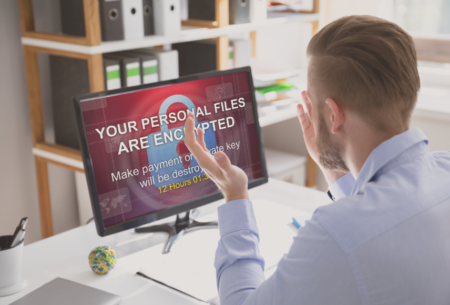



Let’s imagine the digital world as similar to the human body. Viruses, just like in biology, attack where the immunity is weakest. When the body is exhausted, unprotected, or under stress, it becomes an ideal target for infection. The same principle applies in cyberspace: system vulnerabilities, lack of knowledge, outdated software, and user negligence become open doors for digital attacks.
In this context, “immunity” represents the level of protection, technical, organizational, and human, that an individual, company, or institution has. The weaker this immunity, the more serious the consequences of a potential attack. And attacks, like viruses, do not happen randomly—they target where resistance is weakest. That is why attackers choose targets that are most vulnerable, whether due to lack of knowledge, outdated systems, or inadequate response to threats. Who are these targets?
Small and medium-sized businesses—a valuable target without a shield
Although they may not seem like an obvious choice, SMEs are often the main target of attacks. The reason? They lack developed defense mechanisms but possess valuable data: client databases, finances, supplier access. Attackers know that immunity is weak here and that penetration is easy, often without resistance.
Healthcare institutions—mines of personal data
Hospitals and clinics are rich in confidential information, and their continuous operation makes them extremely vulnerable. Ransomware attacks often target these institutions because the pressure to restore an already overloaded system forces many to pay the ransom.
Government and educational institutions—guardians of outdated systems
The public sector often uses outdated technologies with minimal investment in security. Moreover, the motives for attacks are not always monetary—sometimes the goal is political destabilization or espionage.
Technological and financial companies
Companies that handle money, software, and large amounts of data are always high on the target list. Although they invest in cyber security, constant innovation brings new risks that attackers are eager to explore.
Individuals
And finally, ourselves. From ordinary users to public figures, individuals are daily exposed to identity theft attempts, phishing scams, extortion, and manipulation. Weak passwords, suspicious links, and unconscious data sharing make us ideal targets. Just as viruses choose a weak immune system, hackers target weak points in digital protection. Being a “small fish” is no longer an excuse; cyber attacks do not choose size, but weakness. Therefore, investing in cyber security, employee education, and proactive protection is more than a recommendation—it’s a necessity.
Check if your system is adequately protected. If you are unsure whether your organization has a strong enough “cyber immunity,” now is the time to take the first step. Contact us, and our experts will conduct an initial risk assessment and help you elevate the level of cyber security you deserve.